Creating a relaxing garden space at home is a wonderful way to enhance your outdoor living experience. Whether you have a spacious backyard or a small balcony, a well-designed garden can serve as a personal retreat from daily stresses. In this post, we’ll explore practical tips to help you craft a garden environment that promotes calm and enjoyment.
Plan Your Garden Space Thoughtfully
Before you begin planting, take some time to consider how you want to use your garden. Do you want a quiet nook for reading, an area for meditation, or a lively space to entertain friends? Understanding your primary goals will guide your design choices.
– Assess the size and shape of your garden area.
– Identify sunny and shaded spots to choose suitable plants.
– Think about privacy needs—will you need screens or hedges?
– Set a budget to keep your plans realistic.
A clear plan ensures your garden becomes a functional and inviting space.
Choose Soothing Colours and Plants
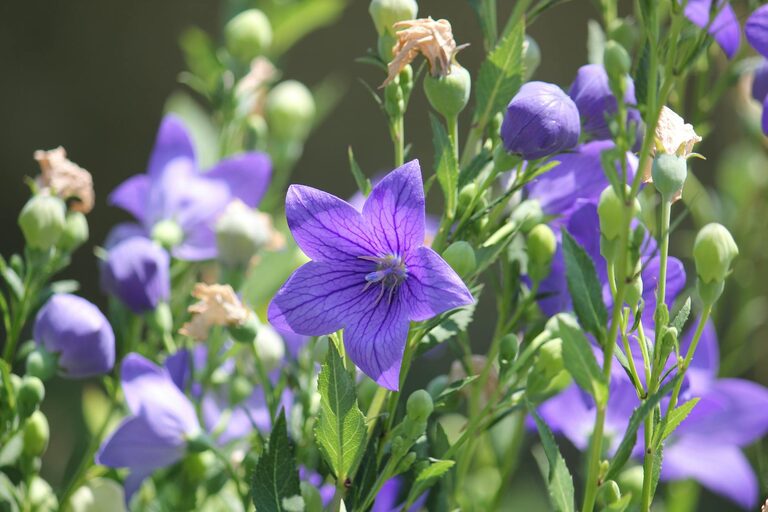
Colours play a big role in creating a calming atmosphere. Cool tones such as blues, lilacs, and soft greens tend to be relaxing, while bright colours can add cheerful energy.
Ideal Plant Choices
– Lavender: Known for its comforting scent and purple flowers.
– Ferns: Great for shaded areas, adding lush greenery.
– Hostas: Easy to grow with attractive leaves.
– Herbs like mint and chamomile: Pleasant aromas that can support relaxation.
– Climbing roses or jasmine: Add fragrance and charm to vertical spaces.
Grouping plants with similar needs together makes maintenance easier and helps them thrive.
Incorporate Water Features
Water elements, such as small fountains, ponds, or birdbaths, create soothing sounds that mask urban noise and bring a sense of peace.
– A simple tabletop fountain can be effective for small gardens or balconies.
– Ponds encourage wildlife like frogs and dragonflies, enhancing the natural ambiance.
– Birdbaths attract birds whose songs contribute to a tranquil setting.
Ensure any water features are maintained regularly to prevent stagnation and mosquitoes.
Add Comfortable Seating
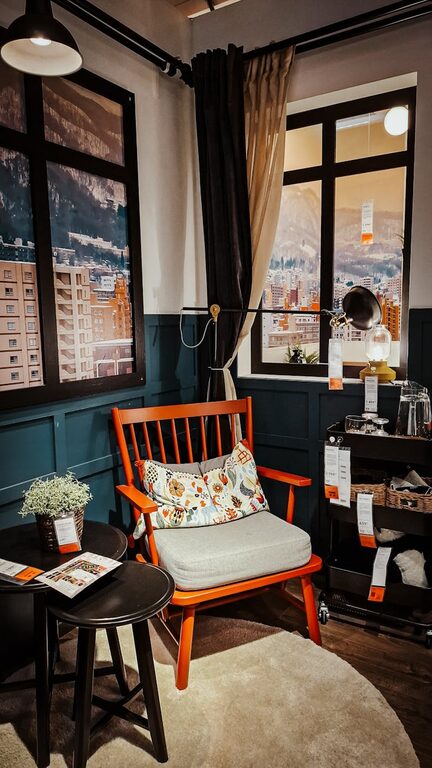
A relaxing garden needs a comfortable place to sit and enjoy the surroundings.
– Choose weather-resistant furniture with cushions for comfort.
– Consider hammocks or swinging chairs for a gentle rocking motion.
– Place seating in shady spots or use umbrellas for sun protection.
Having a dedicated seating area encourages you to spend more time outdoors.
Use Lighting to Create Ambience
Proper lighting extends your garden’s usability into the evening and creates an inviting atmosphere.
– Solar-powered LED lights are eco-friendly and easy to install.
– String lights add warmth and charm.
– Spotlights on trees or water features highlight key areas.
– Soft lanterns can be placed beside pathways or seating.
Avoid harsh bright lights to maintain a relaxing tone.
Incorporate Natural Materials
Using natural materials in your garden design can enhance the peaceful feel.
– Wooden benches or decking blend nicely with plant life.
– Stone pathways or gravel create texture and structure.
– Bamboo screens or trellises provide privacy while keeping an organic look.
These materials also tend to weather well outdoors and age attractively.
Create Zones for Different Activities
Design your garden with distinct areas to meet various relaxation needs.
– A quiet corner with a comfy chair for reading or meditation.
– A small table for tea or snacks.
– An open space for gentle stretching or yoga.
– A spot for gardening activities if that is your hobby.
This zoning helps keep the garden organised and tailored to your lifestyle.
Maintain Your Garden Regularly
Even the most thoughtful garden design requires upkeep to stay inviting.
– Water plants according to their needs.
– Remove weeds to keep the space tidy.
– Prune shrubs and trees to maintain shape and health.
– Clean seating and water features to prevent wear.
Regular maintenance reduces stress by preventing garden tasks from piling up.
Add Personal Touches
Finally, personalise your garden space with items that reflect your taste.
– Decorative pots and planters.
– Garden ornaments or sculptures.
– Wind chimes for gentle sound.
– Outdoor rugs or cushions in comforting textures.
These details make the garden feel like a true extension of your home and personality.
—
A relaxing garden space does not require a large budget or extensive gardening experience. By planning carefully, choosing suitable plants and materials, and adding comfortable elements, you can create a peaceful outdoor sanctuary. Spend time experimenting and adjusting your space, and soon you’ll have a garden perfect for rest and enjoyment.
About the Author