Creating a relaxing garden space at home is a wonderful way to enjoy the outdoors, find peace, and boost your wellbeing. Whether you have a large backyard or a small balcony, a thoughtfully designed garden can serve as your personal sanctuary. In this post, we’ll explore practical tips for turning your garden into a soothing escape that invites calm and comfort.
Why Create a Relaxing Garden Space?
Gardens offer more than just aesthetic appeal; they can reduce stress, improve mood, and provide a quiet spot to reconnect with nature. A peaceful garden encourages mindfulness and offers a break from daily routines, making it an invaluable addition to your home.
Planning Your Relaxing Garden
Before diving into planting or decorating, spend some time planning what you want your garden to feel like and which elements will help create that atmosphere.
Define the Purpose
Ask yourself what you want from your garden space. Is it a place for quiet reading, meditation, social gatherings, or simply enjoying a morning coffee? Your intended use will influence the layout and features you include.
Consider Your Space
Evaluate the size, shape, and sunlight of your garden area. Note existing plants, trees, and structures. This assessment helps in choosing the right plants and furnishings to suit your environment.
Set a Budget
Gardening can be as simple or elaborate as you like. Setting a budget early on helps you decide what you can afford and where to prioritise spending.
Tips for Designing a Relaxing Garden
1. Choose Soothing Colours
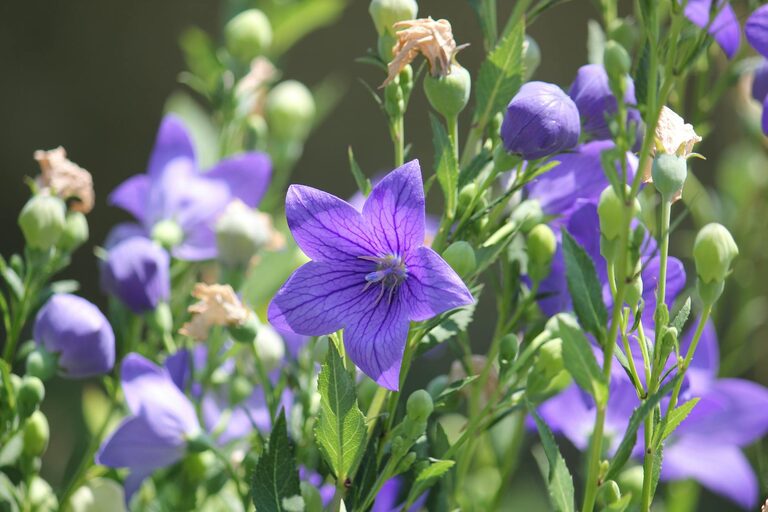
Incorporate plants and flowers in calming shades such as greens, blues, purples, and soft pastels. Avoid overly bright or harsh colours that could create visual tension.
2. Select Low-Maintenance Plants
To keep your garden stress-free, opt for hardy, drought-resistant plants that require minimal care. Lavender, ferns, ornamental grasses, and succulents are excellent choices.
3. Create Quiet Zones
Designate areas for solitude by placing comfortable seating or hammocks away from noisy sections of the garden. Use hedges, trellises, or natural screens to block unwanted views or sounds.
4. Include Water Features
The gentle sound of flowing water adds a natural calming effect. Consider a small pond, fountain, or birdbath to bring soothing water sounds to your garden.
5. Use Natural Materials
Furniture and garden decor made from wood, stone, or bamboo blend seamlessly with the outdoor environment, enhancing the tranquil feel.
6. Add Soft Lighting
Outdoor solar lights, fairy lights, or lanterns create a warm, welcoming atmosphere for evenings without harsh glare.
7. Incorporate Aromatic Plants
Plants like rosemary, mint, jasmine, and gardenias release pleasant scents that stimulate relaxation. Be mindful of allergies and choose scents that you find comforting.
8. Provide Comfortable Seating
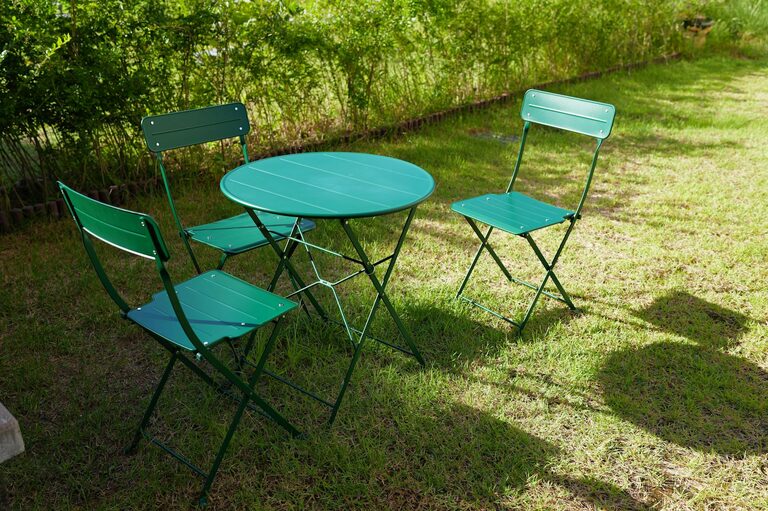
Your garden is a place to rest, so invest in seating that supports comfort. Cushioned benches, reclining chairs, or garden swings can make a big difference.
9. Include Personal Touches
Add elements that reflect your personality—wind chimes, garden statues, or handmade crafts—to make the space uniquely yours.
Maintaining Your Garden Sanctuary
A relaxing garden requires regular upkeep, but this doesn’t mean spending hours every day. Here are some maintenance tips:
– Water Wisely: Early morning or late evening watering reduces evaporation and keeps plants healthy.
– Prune Thoughtfully: Trim plants to maintain their shape and encourage growth, but avoid over-pruning.
– Weed Regularly: Keep weeds in check to prevent them from overtaking your garden.
– Refresh Soil: Add compost or mulch to enrich soil and retain moisture.
– Seasonal Care: Adjust care routines based on the time of year to ensure your garden stays beautiful year-round.
Making the Most of Your Relaxing Garden
Once your garden oasis is complete, use it regularly to maximise relaxation benefits.
– Set a Routine: Spend a few minutes daily enjoying your garden space, even if it’s just a cup of tea or a moment of breathing.
– Practice Mindfulness: Engage your senses by listening to birdsong, touching plant leaves, and observing colours and textures.
– Socialise Mindfully: Host small gatherings or quiet chats with loved ones in your garden to strengthen connections in a peaceful setting.
– Engage in Garden Activities: Light gardening or pottering can be therapeutic and deepen your bond with the space.
Conclusion
Creating a relaxing garden at home is a rewarding project that brings lasting benefits for your mind and body. By planning thoughtfully and choosing calming elements, you can craft a personalised outdoor haven that invites relaxation every day. Whether you’re planting fragrant herbs, installing a water feature, or simply setting out a comfy chair, taking time to nurture your garden spa will enrich your life.
With these tips, your garden can become a peaceful retreat where you enjoy nature’s calming presence, right outside your door. Happy gardening!
About the Author